

Have you ever wondered if you can really save money by selling your house without a realtor? In Texas, you’re looking at a potential savings of thousands in commission fees, but here’s what most people don’t realize: Texas has an FSBO listing rate of 13.22%, making it one of the highest FSBO states in the country. That’s nearly double the national average.
I’ve been buying houses across Texas for over a decade, from the sprawling suburbs of Plano to the historic neighborhoods of San Antonio’s King William District. I’ve seen hundreds of homeowners successfully navigate the FSBO process, and I’ve also watched plenty of them struggle. Here’s the straight truth about selling your house by owner in the Lone Star State.
Texas for Sale by Owner: Complete Guide and Legal Requirements
Selling your house by owner in Texas isn’t just about putting up a sign and waiting for buyers. The state has specific legal requirements you can’t ignore, whether you’re in a busy East Austin neighborhood or out in the Piney Woods. Sellers must complete the 14-section Seller’s Disclosure Notice form. This isn’t optional paperwork; it is a legal requirement that protects both you and the buyer from future disputes.
The process starts with understanding what FSBO actually means in Texas. You’re taking on every responsibility a real estate agent would normally handle, including marketing, pricing, showings, negotiations, paperwork, and coordinating the closing. In return, you keep the commission that would typically go to a listing agent, usually about 2.5 percent to 3 percent of the sale price. That can be a meaningful savings, but it also adds a lot of responsibility.
Texas law also requires certain disclosures depending on your home. If the property was built before 1977, lead-based paint must be disclosed. If the property has a history of flooding, it must also be disclosed. As of March 2026, prices in Texas have dropped slightly to a median of approximately 342,400 dollars, which is a 1.6 percent decrease from the previous year. This is beneficial to FSBO sellers who can price and market correctly.
If you’re selling your home by owner in Texas, skip listings and negotiations by requesting a cash offer directly from us. Just contact us, and we’ll provide a fast, fair, no obligation cash offer so you can avoid commissions, simplify paperwork, and close on your timeline.
Texas Real Estate Commission Rules for Owner-sold Properties
The Texas Real Estate Commission (TREC) regulates more than just licensed agents; its rules also affect FSBO (For Sale By Owner) sellers, particularly around disclosures and contract standards. In Texas, sellers are required to provide a Seller’s Disclosure Notice, and while using TREC-approved contract forms isn’t strictly mandatory for FSBO transactions, it is strongly recommended.
TREC provides a variety of standardized contracts and addenda for different property types, including residential resale, new construction, and farm and ranch properties. These forms are designed to protect both buyers and sellers by clearly addressing key issues such as financing contingencies and property condition disclosures. Even in FSBO transactions, if the buyer has an agent, that agent must still follow TREC rules and typically uses these standard forms when submitting offers.
TREC also sets standards for advertising that emphasize honesty and accuracy, which FSBO sellers should follow even though the rules primarily apply to licensed professionals. Misleading claims or failure to disclose material defects can create legal problems. FSBO sellers may also encounter the Information About Brokerage Services (IABS) form in certain situations, depending on the type of interaction.
Essential FSBO Documents and Paperwork for Texas Home Sales
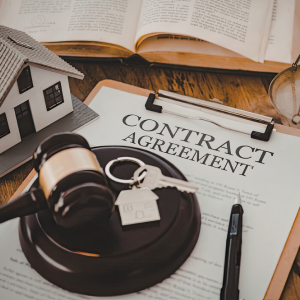
Paperwork kills more FSBO sales than any other single factor. FSBO sellers most often struggle with pricing correctly (17%), selling on time (13%), and handling paperwork (10%). The good news is that the paperwork side is manageable if you know what to prepare in advance. Having a checklist early can prevent last-minute delays that often cause transactions to fall through.
Start with the Seller’s Disclosure Notice, which is the most important document. It must be filled out honestly and completely, covering 14 sections, including structural systems, environmental hazards, water-damage history, and any legal issues tied to the property. Missing or inaccurate disclosures can expose sellers to legal liability after closing.
We now move on to the Texas purchase agreement, more specifically, the TREC One to Four Family Residential Contract (Resale), which outlines the terms of finances, inspections, title work, and closing. Depending on your property, you may have addenda such as, but not limited to, lead-based paint (for homes built prior to 1978), flood zone, HOA, seller financing, etc. These addenda explain responsibilities and avoid potential disputes between the buyer and the seller.
Last but not least, compile the main supporting documents: deed, survey, title commitment, lien records, mortgage payoff records, and outstanding tax records. There are also other requirements related to septic systems, wells, and buyers’ insurance, which buyers tend to scrutinize prior to closing. Having these documents organized beforehand can greatly expedite the closing process.
Texas Property Disclosure Laws Every Owner Must Follow
Texas disclosure laws require sellers to disclose all known material facts about a property, including any prior or current water damage. The obligation hinges only on what the seller actually knows. However, anything known must be disclosed. If a seller omits water damage or any defects in the property, a buyer may sue the seller if the buyer acts on incomplete or negligent information. Transparency in real estate transactions protects buyers because, without it, sellers would be unaccountable.
The Seller’s Disclosure Notice usually discusses the condition of the roof, foundation, plumbing, electrical, HVAC, and other structural systems. Sellers are obligated to disclose any of the aforementioned systems that have been repaired and/or replaced, unresolved problems, and/or environmental hazards that may include mold, asbestos, lead-based paint, radon, or nearby industrial activities that have resulted in contamination.
Water damage is a major focus in Texas due to risks from flooding, storms, and plumbing failures, and even past incidents must be disclosed if they occurred. Legal and property issues such as boundary disputes, easements, HOA violations, or code violations must also be included. The disclosure is a legal statement, so inaccuracies can lead to liability, and it must be provided to buyers before the purchase contract is signed, or the buyer may have the right to cancel or delay closing.
As-Is House Buyers offers a cash purchase that complies with all required disclosures under Texas law, including those for water damage and property condition issues. The offer is made as-is to provide a fair, transparent, and fast sales process.
How to Price Your Home Correctly in the Texas Real Estate Market
Pricing is where many FSBO sellers run into problems. The median FSBO selling price was 380,000 dollars, up from 310,000 dollars in 2022, but still lower than the agent-assisted sales average of 435,000 dollars. That 55,000 dollar gap often has less to do with marketing reach and more to do with pricing strategy and negotiation. When a home is not priced correctly from the start, it can lose buyer interest quickly and ultimately sell for less.
One issue we come across is sellers emotionally attaching themselves to their homes and either overpricing or underpricing them in a rush to sell. As a solution, I suggest looking at the last three to six months of comparative market analysis data. Focus on homes of the same size, age, condition, and features. Look at the most recent closed sales to better understand the market. Don’t rely on pending or currently active listings. An additional resource could be an appraisal or a pricing consultation. It should help pinpoint a more accurate price and avoid costly mistakes.
Market conditions should also guide pricing decisions. In this environment, realistic pricing matters because overpricing can reduce showings and extend time on market, while well-aligned pricing can attract stronger demand. Seasonal trends also play a role, with higher activity in spring and early summer and slower movement in mid-summer, so aligning price with both data and timing improves your chances of a successful sale.
Staging Your Home to Attract Qualified Buyers Quickly
Staging helps buyers picture themselves living in your home, but FSBO sellers in competitive Texas markets like Austin, Dallas, and Houston often skip it to save money. That is shortsighted because you do not need a professional stager to make a strong impact. Basic staging goes a long way. Start by decluttering, depersonalizing, deep cleaning, and arranging furniture to improve space and flow. Remove family photos, personal collections, and any excess furniture that makes rooms feel smaller.
Focus your efforts on the spaces that most affect buyers’ decisions: kitchens, master bedrooms, and primary living areas. In Texas, the outdoors affect buyers’ decisions, so make sure your patios, decks, landscaping, and outdoor spaces are clean and well-maintained. To appeal to more buyers, remove the bold paint and décor that can be distracting and/or off-putting. Bright accent walls will not help your cause, so stick with whites, grays, and beiges.
Addressing maintenance issues like leaky faucets, burned-out bulbs, squeaky hinges, or scuffed paint can signal neglect and should be addressed before showings, along with minor issues. Improving curb appeal may just require some exterior power washing, trimming of landscaping, and making the entryway more inviting. Comfortable interior temperatures with working air conditioning, no strong odors, and the use of fresh air when possible will also help. For higher-end homes or in tougher markets, consider even a minimal investment in professional staging; it can increase the likelihood of faster sales and improve offers.
Online Marketing Platforms and Social Media for FSBO Properties

Beyond the MLS, a strong online marketing strategy should include major real estate platforms like Zillow, Realtor.com, Homes.com, and relevant regional sites such as HAR.com or NTREIS.com. These platforms help ensure your property gets maximum visibility among active homebuyers. You can also expand reach through FSBO-focused sites like ForSaleByOwner.com, FSBO.com, and ByOwner.com, which attract buyers specifically looking for owner-listed properties. In addition, connecting with Texas cash buyers can provide a faster sales option, especially for sellers prioritizing quick closings or as-is transactions.
Social media provides a great free tool for marketing. High-quality photo posts placing local hashtags and details on Facebook, Instagram, and Nextdoor might help you attract local buyers. Joining and posting on local neighborhood groups can help you achieve that. It can directly capture potential buyers’ interest and raise awareness in the local market. Facebook Marketplace can help you achieve this quickly thanks to its instant communication and large potential audience.
For additional exposure, consider creating a quick property webpage on Wix, WordPress, or Squarespace with the details and some images. Then, you can add video tours of the property to the site and post them on social media and YouTube. Follow up with people via email about what you posted on Craigslist and what you are posting on Craigslist. Lastly, keep track of what you are doing and be quick. Focus on the things that deliver the most value the quickest.
Open House Strategies and Safety Tips for Private Sellers
FSBO sellers can benefit from open houses. However, preparation and safety during an open house are important to consider, especially since you don’t have an agent to manage the details. Saturday and Sunday afternoons are the best times to do an open house. Try to avoid holding an open house on the same day as a locally significant event or at a time that will draw a crowd. Your home should be spotless before people enter for the first time. You should take the time to clean everything, remove excess clutter, organize your valuables, and provide informative materials prepared to give to visitors.
Safety and organization should come first during the event. Never host alone; have someone with you at all times. Require all visitors to sign in with their contact details, and be prepared to screen them with basic questions about their timeline, financing, and buying needs. This helps you focus on serious buyers while maintaining a welcoming but controlled environment.
After the open house, follow up quickly with interested visitors, ideally within 24 hours, by sending a thank-you message and additional property details. Be ready to answer questions about the home, neighborhood, schools, and recent sales using up-to-date information. You can also improve effectiveness by targeting specific buyer groups, such as first-time buyers or investors, and tailoring your presentation to them.
Negotiating Offers and Counteroffers as a Private Home Seller
Negotiating is probably the hardest part of selling your house yourself, because it involves direct interactions with buyers and their agents. These interactions could become complex and emotional. Be sure to approach the situation professionally and emphasize the facts. The objective is to ensure you do not make any rash decisions under pressure. Knowing your non-negotiables will help achieve this goal.
Evaluate offers based on the full package, not just price. Financing strength, contingencies (such as inspection, appraisal, and loan approval), and closing timelines can matter as much as the offer amount. A lower cash offer with fewer risks may be more reliable than a higher but heavily contingent financed offer. When responding, don’t take low offers personally. Buyers often start low, expecting a counteroffer.
Keep negotiations structured and strategic. Counter on key terms like price, earnest money, and contingencies, while being flexible on less critical items such as the closing date or appliances. Set clear response deadlines to avoid delays, expect multiple rounds of negotiation, and consider non-price concessions, such as a home warranty or included fixtures. If you receive multiple offers, you can request “highest and best” terms, and you should always be willing to walk away if an offer doesn’t meet your minimum requirements.
Legal Contracts and Purchase Agreements for Texas FSBO Sales
The purchase agreement is the most important document in a Texas real estate transaction, and errors can be costly. Texas uses the TREC One to Four Family Residential Contract (Resale) form as the standard contract. While not legally required, it is widely used by title companies, lenders, and attorneys, helping reduce confusion and delays compared to non-standard forms. This consistency helps streamline most residential transactions in the state, including those involving investor house buyers in Corpus Christi and surrounding cities in Texas.
Reading every detail of a contract is essential before giving a signed offer or even presenting a signed offer. Many of the details in a contract can explain major terms, such as the purchase price, financing terms, closing date, inspection period, and title. Contracts should be as clear as possible, with as little or no repetition and no blank spaces, since vague terms can cause disagreements. Little things often lead to big consequences, be it legal or financial.
The inspection and earnest money terms should also be examined closely. In Texas, the inspection period is usually 7–10 days. This is the time the buyers have to evaluate the property. In earnest money, the amount is usually between 1 and 3 percent of the agreed-upon purchase price. This earnest money is also in escrow with the title company. This earnest money also goes to the buyer’s closing costs if the sale is completed. These terms can also determine how a sale will progress.
Finally, clearly define what is included or excluded in the sale, such as fixtures or appliances, and carefully review all addenda, like disclosures and HOA documents. Understand title insurance requirements and don’t sign anything under pressure; take time to review the contract thoroughly, and consult a real estate attorney if anything is unclear. Careful review upfront helps prevent disputes after closing.
Home Inspection Contingencies and Repair Negotiations for Sellers
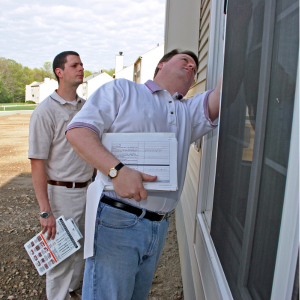
Home inspections are standard in Texas real estate transactions and can significantly affect whether a sale moves forward. Most buyers include inspection contingencies that allow them to request repairs, credits, price reductions, or even terminate the contract based on what’s found. Because of this, how you respond often becomes a key negotiation point that can either preserve or derail the transactions.
Buyers generally have a week to a week and a half to complete all their inspections. These inspections can range from general home inspections to termite inspections and specialized inspections of the pool, septic system, and structure. Sellers should anticipate issues common to the Texas market. These issues can include HVAC strain, hail damage, wind-damaged roofs, foundation issues, and aging electrical and plumbing systems. These issues are attributed to climate extremes and to Texas’s soil conditions.
When responding, thoroughly review inspection reports, paying special attention to safety hazards, major system failures, and anything that affects an item’s value or habitability. You can agree to repairs, grant credits, reduce the price, or deny demands, each of which has its own impact on cost, timing, and your position in the negotiations. However, don’t be offended by minor issues, which are typically found in almost all inspection reports.
Before making any repair commitments, it’s typically a good idea to seek contractor estimates and ask about credits, rather than completing the repairs yourself. Trim what you need to address, log the repairs you have agreed to, and draw the line against unreasonable demands, particularly if they jeopardize the transactions. A good compromise gives you enough assurance to protect your profits and keep the transactions moving.
Title Companies and Closing Process in Texas Real Estate Transactions
The closing process in Texas involves multiple parties and detailed steps, typically handled by title companies rather than attorneys. FSBO sellers should choose a reputable title company or agree with the buyer on one, ensuring the company has strong experience and reliable reviews. Taking time to compare options can help prevent complications later in the transaction.
Title companies handle essential tasks, including researching property title history, resolving title issues, preparing closing documents, handling funds, and issuing title insurance. Sellers must provide key documents promptly, like the deed, survey, mortgage payoff details, and HOA paperwork, to avoid delays. Staying organized and responsive throughout this stage helps keep the closing timeline on track.
Carefully review the preliminary title commitment and closing disclosure, as these outline the property’s title status and all financial details of the transaction. Closing costs in Texas are usually split between buyer and seller, but can be negotiated, with sellers often covering items like title insurance and mortgage payoff. Asking questions about any unclear fees or terms can help you avoid surprises at closing.
On closing day, bring required items such as identification and property keys, and expect the process to take under an hour. After closing, cancel insurance, transfer utilities, and fulfill any remaining obligations. To protect your funds, always verify wire transfer instructions directly with the title company using a trusted phone number.
Tax Implications of Selling Your Primary Residence in Texas
Taxes can significantly affect your net proceeds when selling your home. Even though Texas has no state income tax, federal tax rules still apply. The most important benefit is the primary residence exclusion, which allows you to exclude up to $250,000 in capital gains, or $500,000 for married couples filing jointly, if you’ve lived in the home for at least two of the past five years.
To determine your taxable gain, it’s important to calculate your cost basis accurately. This includes your original purchase price plus major capital improvements such as renovations, additions, or permanent upgrades. Routine maintenance and minor repairs usually don’t count, but selling expenses like commissions, legal fees, advertising, and staging can reduce your overall gain. Timing your sale also matters, as failing to meet the residency requirement may limit your exclusion, though partial exemptions may apply in certain situations.
Other factors can further affect your taxes. If you’ve used part of your home for business or rental purposes, depreciation recapture rules apply and may increase your tax liability. Losses on a primary residence typically aren’t deductible, but exceptions may exist for business use portions. Seller financing can spread out tax payments over time instead of paying all at once. Because tax rules can be complex and change frequently, consulting a tax professional is often a smart step to avoid costly mistakes and maximize your return.
Common FSBO Mistakes That Cost Sellers Time and Money
After working with many FSBO sellers across Texas, the same mistakes keep coming up, costing time, money, and unnecessary stress. The biggest issue is overpricing, which often leads to homes selling far below their potential value. Many sellers also underestimate the importance of strong marketing, limiting their reach by skipping professional photos, major listing platforms, and strategic pricing. These early missteps can significantly reduce both interest and final sale price.
Legal and procedural mistakes are another major risk. Poor disclosure practices account for a significant share of real estate disputes, underscoring the critical role of transparency. Incomplete paperwork or using the wrong forms can delay or even derail a sale. Sellers also waste time and expose themselves to risk by failing to properly screen buyers before showings. Attention to detail and caution in these areas can prevent costly setbacks.
Emotions and lack of preparation can further hurt a sale. Taking offers personally or reacting emotionally during negotiations often leads to poor decisions. At the same time, failing to properly clean, repair, and stage the home creates a weak first impression. Ignoring market conditions, such as high inventory or slower sales, can also result in unrealistic expectations and stalled listings.
Ultimately, successful FSBO selling requires preparation, professionalism, and knowing when to seek help. Hiring experts for photography, legal advice, or repairs can make a significant difference. With the Texas market offering steady opportunities, sellers who price correctly, market effectively, disclose thoroughly, and negotiate objectively are far more likely to achieve a smooth and profitable sale.
Frequently Asked Questions:
What Are Common Mistakes to Avoid When Selling by Owner?
The biggest mistakes include overpricing your home, inadequate marketing, poor disclosure practices, and emotional decision-making during negotiations. Many FSBO sellers also underestimate the time commitment and complexity involved. Proper preparation and realistic expectations are essential for success.
Can I Sell My Home Without a Realtor in Texas?
Yes, you can legally sell your home without a realtor in Texas. You’ll need to handle all aspects of the sale yourself, including pricing, marketing, showings, negotiations, and paperwork. However, you must still comply with all Texas disclosure laws and use proper legal documents.
What Is the 3 3 3 Rule in Real Estate?
The 3 3 3 rule suggests that in the first 3 days, your listing should get 3 showings, and if you don’t get 3 offers in 3 weeks, your price is probably too high. While not a hard rule, it’s a useful guideline for evaluating your pricing and marketing effectiveness.
What Is the Number One Reason a House Doesn’t Sell?
Overpricing is the primary reason homes don’t sell. A property priced above market value sits on the market longer, becomes stale, and eventually sells for less than it would have if priced correctly from the start. Market conditions, property condition, and marketing quality also play important roles.
For sellers who want to skip FSBO challenges, As-Is House Buyers offers a simple alternative by purchasing homes directly, handling all paperwork, and closing in as little as two weeks with no repairs, showings, or financing contingencies; if you’d like to explore your options, FSBO or a direct sale, we’re here to help with no pressure or obligation, just honest advice to help you choose what’s best for your situation. Contact us at (361) 273-6166 today to get started or to ask any questions.
Helpful Texas Blog Articles